10 Logo Design Tips to Improve Your Email Marketing and Deliverability

When people look for tips on improving email marketing, they often see advice geared toward improving subject lines, copy, or calls to action. But did you know your logo design is just as crucial to optimize? After all, it’s one of the first visual elements your subscribers will see, helping them recognize your brand before they even read your email.
However, optimizing your logo goes beyond aesthetics. It’s also about smartly using it to influence email performance – improving email loading speed, accessibility, subscriber trust, and the like.
In this guide, we’ll cover practical logo design tips that not only improve the appearance of your email campaigns but also support better email deliverability and overall marketing performance.
Key Takeaways:
- A well-optimized logo can support better email deliverability by improving loading speed, brand recognition, accessibility, and subscriber trust.
- Simple logos are easier to see and remember, and help keep emails lightweight.
- BIMI-compatible logos can help brands become more recognizable and credible.
- Your logo, sender name, and sending domain should align to reduce confusion and reinforce brand trust.
- Logo optimization works best alongside good list hygiene, relevant content, consistent sending, and proper authentication.
10 Logo Design Tips for Better Email Marketing (and Better Email Deliverability)
The most effective email marketers understand that successful campaigns are built on two things: trust and visibility.
Your technical setup helps emails reach the inbox, while your logo reassures subscribers they’ve arrived from a brand they know. Together, they create emails that are more likely to be delivered, opened, and acted upon.
To help you create a logo that can be another trust marker for your emails, here are some tips to keep in mind:
1. Keep Your Logo Simple
A logo filled with extremely intricate details, text that is too tiny, or overly colorful gradients can be difficult to see and parse, especially on smaller mobile screens.
Aim for a clean and simple design that remains legible even at smaller sizes. If your current logo includes a detailed icon or a long company name, consider creating a simplified version specifically for your email campaigns.
A simple logo is easier to see, remember, and recognize, all of which helps build familiarity over time. And the easier your subscribers can identify your brand, the more likely they are to engage with future campaigns.
A simpler logo also loads faster and compresses more efficiently, resulting in better technical performance for your email.
2. Compress Your Logo
Many businesses upload the exact same logo used on their website into their email campaigns. Unfortunately, that file is often much larger than necessary.
Larger images increase the overall weight of an email, which slows loading times. And if subscribers abandon your emails because they take forever to load, those lower interaction rates can also affect your email performance.
Before uploading your logo, make sure to:
- Resize it to the actual dimensions you’ll need for the email campaigns.
- Compress the image to reduce file size.
- Keep it under 100 KB.
3. Don’t Place Your Logo in One Giant Image
Some marketing emails consist almost entirely of a single large image that includes the logo, headline, product photos, and a call to action.
While this may be visually appealing, image-heavy emails present several problems.
Some email providers block images because they appear suspicious to spam filters (as they contain very little readable HTML content). This means if your email relies entirely on graphics and the provider blocks those graphics, your subscribers can only see empty placeholders and not much else.
Spam filters also tend to prefer emails that contain a healthy balance of HTML text and images rather than those that send a single oversized graphic.
Image-heavy emails are also likely to be heavier, leading to slower loading times.
The best thing to do is to separate your logo from the rest of the design. Have your logo as a standalone image while building headlines, buttons, and body copy with live HTML text. This makes emails easier to read, improves accessibility, and creates a healthier image-to-text balance that supports deliverability.
4. Add Descriptive Alt Text
Adding alt text is another way to ensure your messaging still comes across when your images are blocked. At the same time, alt text makes your emails accessible to visually impaired subscribers who use screen readers.
Make sure to add alt text to all your images, but especially for your logo. And don’t default to generic text like “logo” or “file”. Use your company name, such as “Evergreen Corp. Logo,” to ensure that you still build brand recognition and carefully remind your subscribers who is contacting them (and avoid them thinking this is spam mail).
5. Host Logo Images on Your Own Secure Domain
Where your logo is hosted matters more than many marketers realize.
Instead of linking to images stored on free hosting services or unfamiliar third-party domains, host your logo on your own HTTPS-secured website whenever possible.
Using trusted branded domains creates a more consistent experience and reduces the chances of email clients blocking external assets.
It also ensures your branding remains under your control if third-party services experience downtime.
6. Design Your Logo with BIMI Compatibility in Mind
BIMI (Brand Indicators for Message Identification) allows participating mailbox providers to display your verified company logo right next to your messages. This greatly helps in improving your subscribers’ trust and open rate with your email campaigns, as your emails will look more legitimate and “verified” with your logo right next to it instead of the default mail image.
To implement BIMI, your logo needs to be:
- In SVG format (the BIMI group has a specific format, and you can easily convert it on their site: https://bimigroup.org/svg-conversion-tools-released/)
- Less than 32 KB
- Accessible via HTTPS
- Trademark owned by your brand
Other things you need to do are:
- Get full DMARC, DKIM, and SPF compliance
- Obtain VMC (Verified Mark Certificate)
- Update your DNS to reflect the BIMI record
To verify your brand logo’s implementation, use GlockApps’ free BIMI Checker tool. It instantly checks if your BIMI setup is properly configured, meets all the latest requirements, and shows how your logo appears on mobile and desktop devices.
7. Make Sure Your Logo Works in Dark Mode
Dark mode has become a standard feature that many email subscribers use.
Unfortunately, logos designed only for white backgrounds can disappear or become difficult to read when displayed against dark interfaces. This not only makes your emails look aesthetically “wrong” (imagine a part of the image missing because it blended with the background) but also lowers your email’s brand recognition and trust (since the subscribers can’t see your logo anymore).
Thus, it’s important to test that your logo will work in both light and dark mode before launching your campaign.
Make sure to also check your other images aside from your logo to see if they are still visible when viewed in dark mode.
8. Use the Same Logo Across Every Email
Your subscribers will get many different emails from you: invoices, password resets, shipping notifications, newsletters, etc.
But if every single email uses different branding, recipients may question whether the message is legitimate.
Make sure to have a consistent visual image using:
- Your logo
- Brand colors
- Typography
- Layout
- Imagery style
While mailbox providers evaluate technical authentication, subscribers still rely on visual familiarity. Consistent branding reduces hesitation and can lower the likelihood of spam complaints.
9. Match Your Logo with Your Sending Domain
Imagine receiving an email from “offers@evergreencorp.com” only to see a logo for “Greener Solutions” in the header.
It’s confusing, right? You may even wonder if the email is spam or a draft that got sent out early.
Your logo, From name, and sending domain should all reinforce one another. This consistency strengthens subscriber confidence and helps prevent confusion that could lead recipients to ignore, delete, or report your emails.
Reducing those negative engagement signals helps protect your sender reputation over time, which also improves your email deliverability.
10. Pair Strong Branding with Good Deliverability Practices
Your logo is only one piece of a successful email strategy.
To maximize the impact of your branding, combine it with sound email deliverability practices such as:
- Regularly cleaning inactive subscribers from your email list.
- Monitoring bounce rates and spam complaints.
- Warming up new sending domains before large campaigns.
- Maintaining a consistent sending schedule.
- Segmenting your audience to improve engagement.
- Avoiding misleading subject lines or deceptive email content.
These technical practices help build a positive sender reputation, increasing the likelihood that subscribers will actually see your emails.
When your messages consistently reach the inbox and your logo is immediately recognizable, you create a stronger, more trustworthy experience that encourages opens, clicks, and long-term customer loyalty.
Best Logo Design Tools for Email Marketing
Looking to create a new logo and put the tips above into practice? There are plenty of logo design tools that can help. Some of our recommendations are:
1. Design.com: Best for Relevant, On-Brand Logos

Design.com is a strong choice if you want logo design options that feel custom-made to your business rather than generic or one-size-fits-all. Its logo maker is geared to give designs that reflect your industry, business name, and overall identity. This can be particularly useful for email marketing, where having a distinctive, recognizable logo helps recipients quickly identify your brand.
2. BrandCrowd: Best for Exploring Different Logo Styles
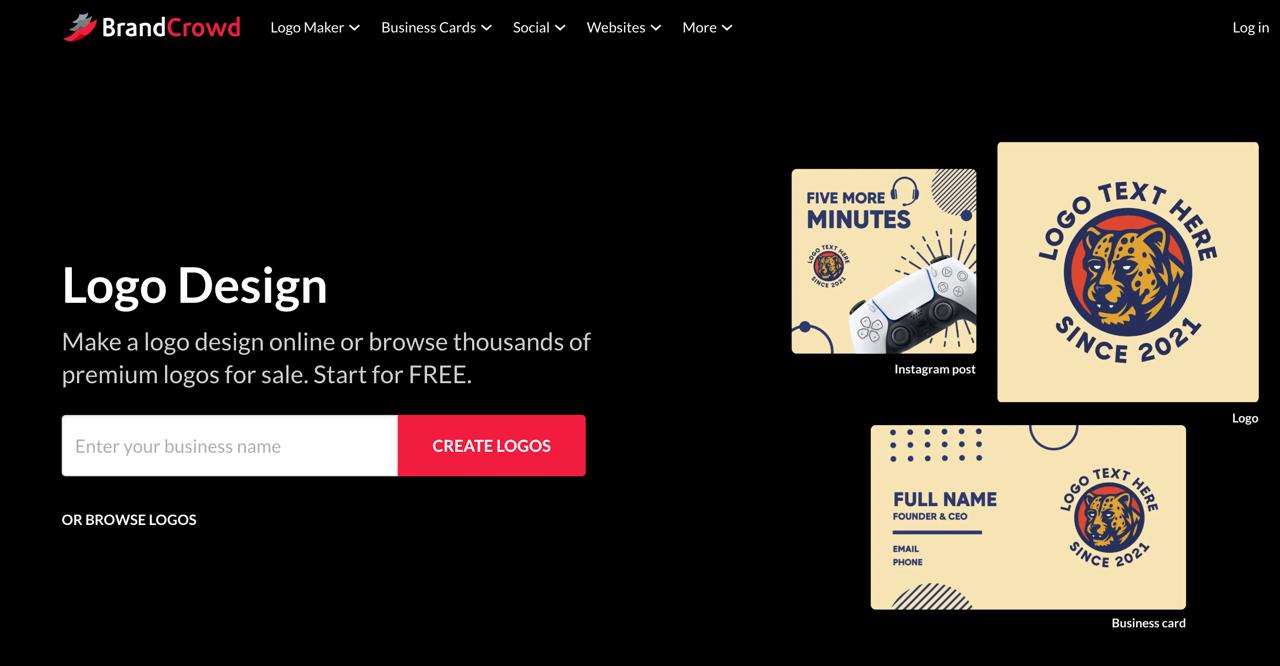
BrandCrowd should be your go-to when you want to explore a variety of creative directions before settling on a design. You can access logos across different styles and aesthetics, making it easier to compare approaches and find one that suits your brand. It’s a good option for businesses that aren’t yet sure what they want their visual identity to look like.
3. Canva: Best for Beginners
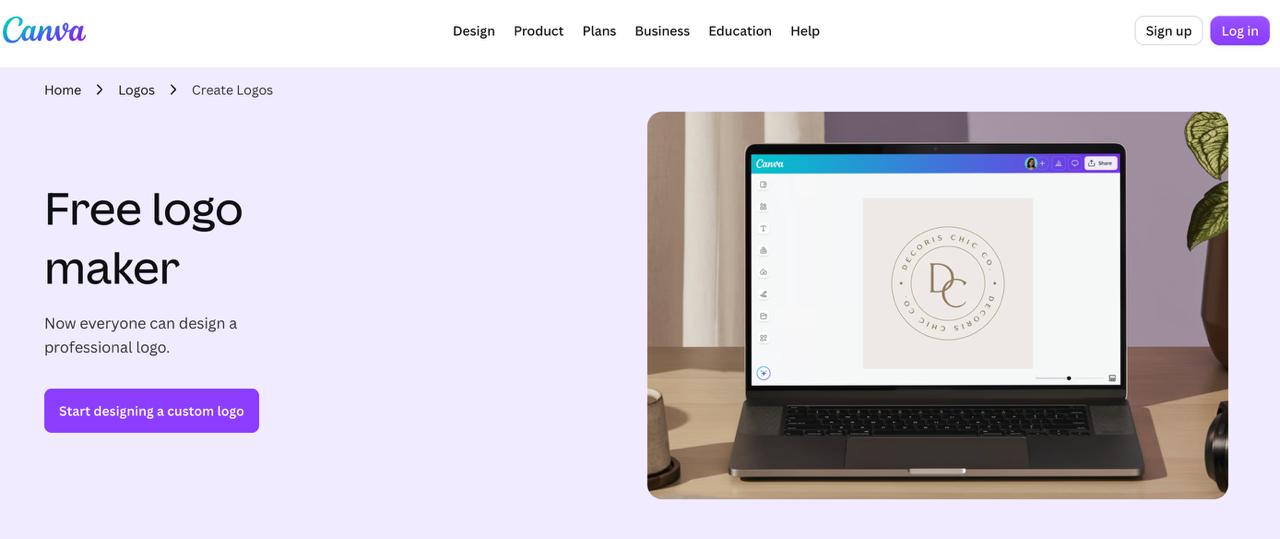
Canva is a good option for people without much design experience. Its straightforward drag-and-drop editor and simple interface make it easy to edit and customize elements such as colors, fonts, icons, and layouts. Canva also offers other marketing materials, so it’s a convenient option for those looking to keep all their visual assets in one place.
4. Wix: Best for a Guided Logo Design Process
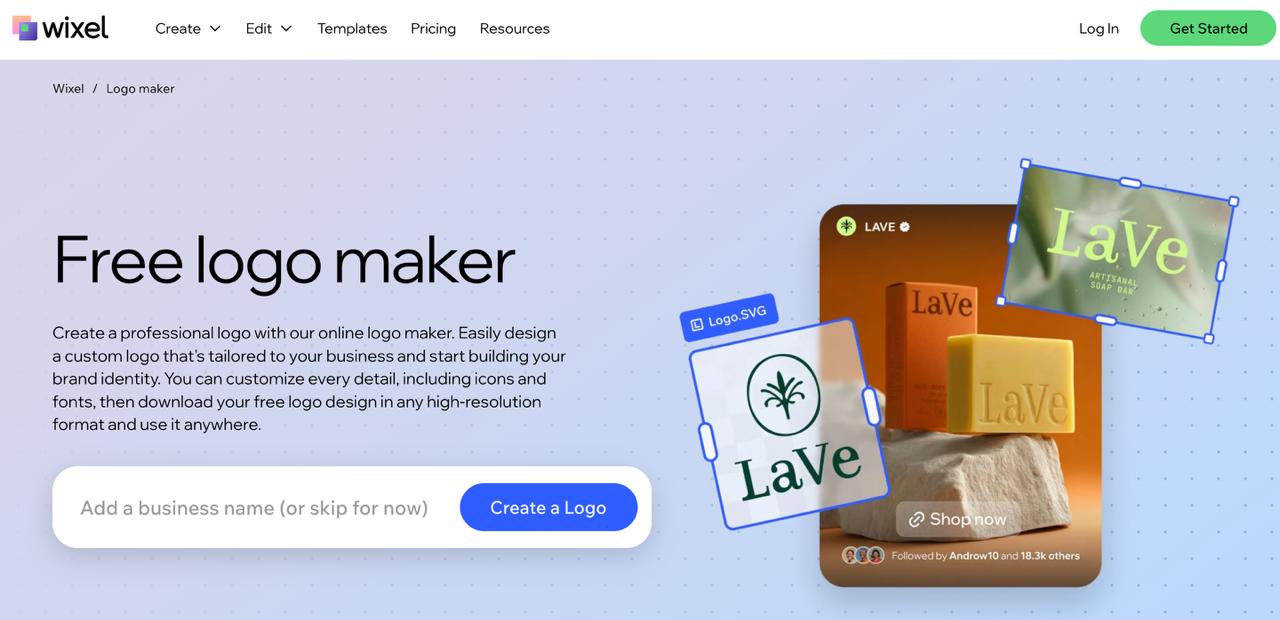
Wix Logo Maker takes you through a guided questionnaire first to narrow down the type of logo you’re looking for. This leads to more relevant results and a less overwhelming design process. It’s a useful choice if you have an idea of what you want but need some guidance turning it into a proper logo.
5. Shopify: Best for E-Commerce Businesses
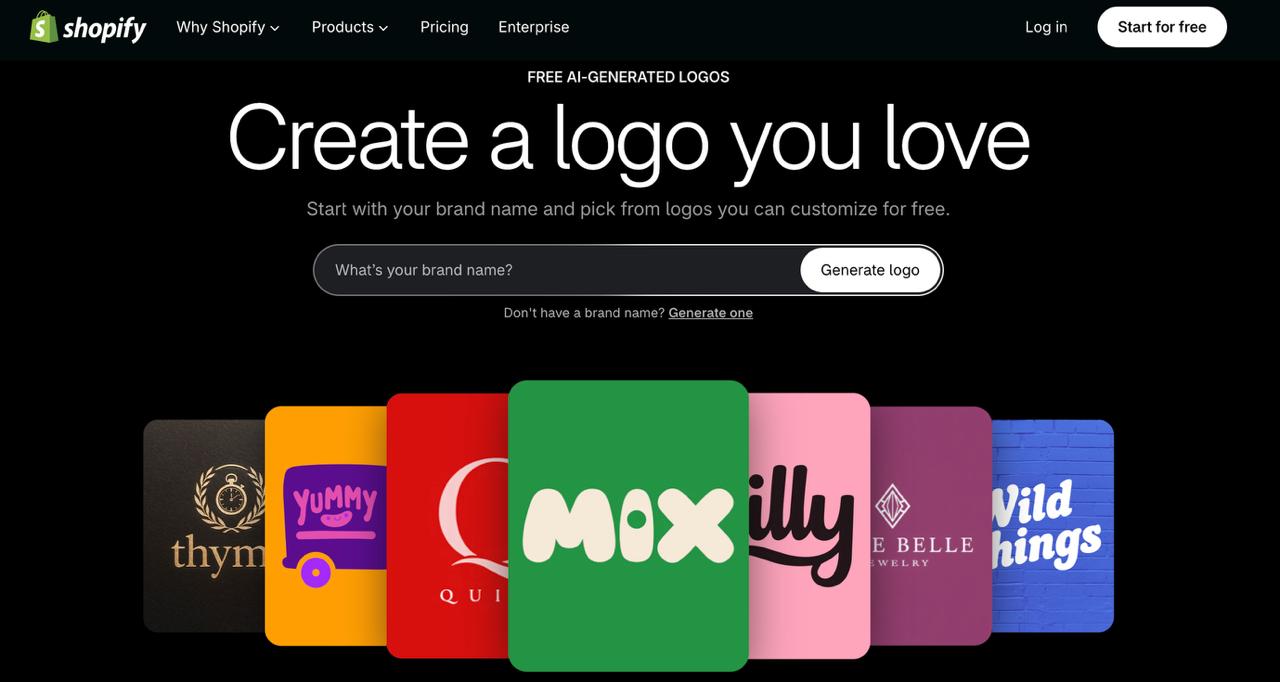
Shopify’s logo maker is a practical option for entrepreneurs building an online store or e-commerce brand. Its straightforward approach makes it easy to create a logo optimized for digital use without needing extensive design experience.
Final Thoughts
Your logo isn’t just a piece of decor or a branding asset. Rather, it’s more accurate to call it an important part of the overall email experience.
When optimized correctly, it helps subscribers recognize your business faster, supports accessibility, improves email performance, and makes your email more authentic (especially when paired with technologies like BIMI).
Of course, no logo can overcome poor deliverability on its own. Inbox placement still depends on technical foundations such as SPF, DKIM, DMARC, sender reputation, and list hygiene. However, your logo can be used as another “trust” marker for your brand, which not only strengthens your branding but can also help improve email deliverability and make for more successful email campaigns.
FAQ
Simple logos work best as they remain clear even at small screen sizes. If you have a complex logo, consider making a simplified version to be used for your email campaigns.
Avoid intricate details, small text, harsh colors, or overly flashy effects to keep your logo simple and lightweight. Resize your logo to the right dimensions, compress the image, add descriptive alt text, and check if it displays properly in dark mode.
A logo does not directly determine whether you reach your subscriber’s inbox. However, it can positively influence brand recognition, subscriber trust, or loading speed, all of which can contribute to better email deliverability and engagement.
Brand Indicators for Message Identification (BIMI) allows brands to display their logo alongside their messages. This helps make your emails look more recognizable as your brand, as well as make your emails look credible and legitimate.
Prepare your logo in the formatting required by BIMI standards, which is: SVG format, under 32 KB, accessible via HTTPS, and a trademark owned by your brand. You must also have DMARC, DKIM, and SPF compliance, a VMC, and an updated DNS that reflects your BIMI record. Use the free BIMI Checker tool by GlockApps to quickly validate a BIMI record for your domain.
Related Posts

BIMI is a relatively new form of email authentication that will help you stand out in your customer's inbox. Learn Read more

Email marketers work hard in devising ways and methodologies to become effective and gain more subscribers organically. As visibility is Read more

HTML emails can be powerful, visually engaging, interactive, and conversion-driven. But they can also break, land in spam, or render Read more

If your message looks cramped on a phone, buttons are hard to tap, or columns break in Gmail, customers notice. Read more