Spam Sign-ups Explained: Protect Your Email List and Deliverability
Estimated reading time: 6 minutes
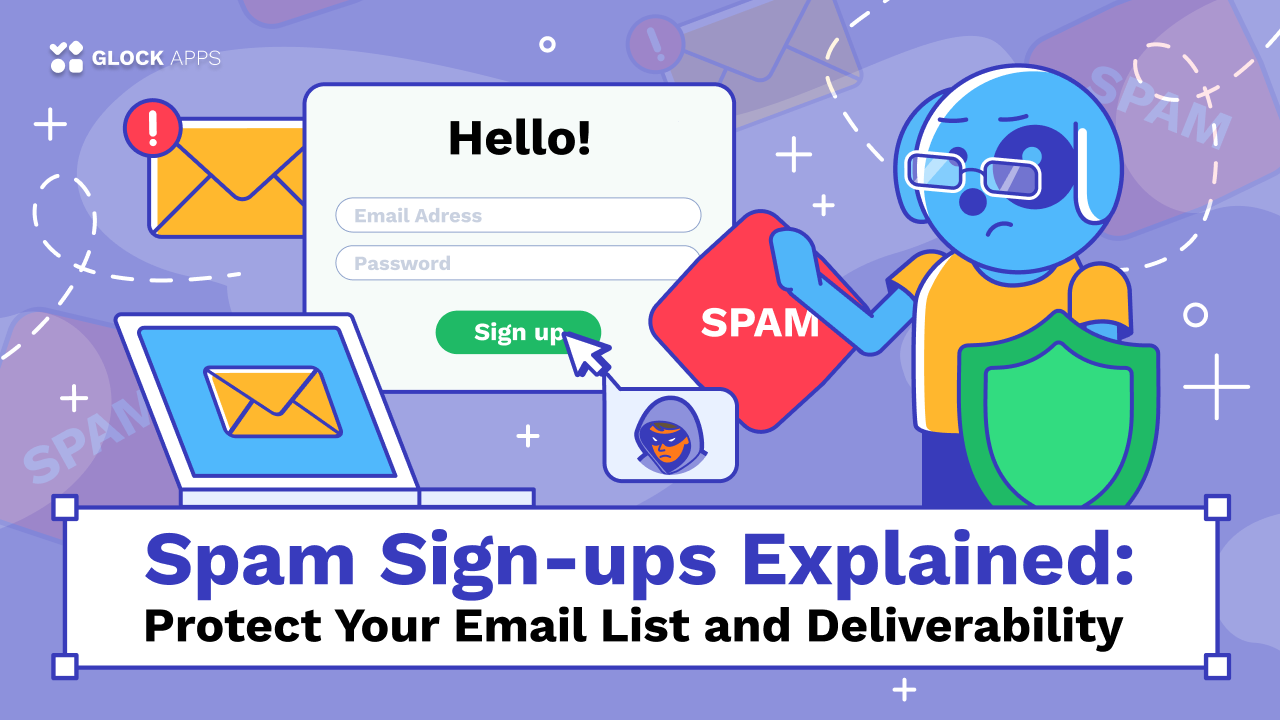
Email marketing success starts with one thing: a healthy, high-quality email list. But what happens when that list becomes contaminated with fake subscribers, bots, or malicious sign-ups?
That’s where spam sign-ups come in, and they’re one of the most dangerous (and underestimated) threats to your deliverability, sender reputation, and campaign performance.
Spam sign-ups don’t just clutter your database. They actively weaken your email marketing results, distort your metrics, and increase the chances that legitimate subscribers will stop seeing your emails altogether.
What Are Spam Sign-ups?
A spam sign-up is any subscription that enters your email list without genuine intent from a real, engaged person. These sign-ups often come from sources that have nothing to do with actual customer interest. Instead, they are created through abuse, automation, or malicious intent.
Spam sign-ups can include:
- Bot-generated addresses are automatically submitted through signup forms
- Fake email accounts created only for testing or exploitation
- Disposable or temporary inboxes
- Competitors attempting to sabotage your campaigns
- Malicious actors are trying to harm your domain reputation
- People attempting to sign people up for spam as a prank or harassment tactic
In short, spam sign-ups are not “extra subscribers.” They are toxic entries that can quietly destroy the effectiveness of your email marketing.
Why Spam Sign Ups Are a Serious Problem
At first, spam sign-ups may seem harmless. After all, what’s the worst that can happen if a few fake addresses slip in? Even a small percentage of spam sign-ups can create long-term damage, especially with today’s strict inbox provider filtering.
Here’s why.
1. Higher Bounce Rates and List Instability.
Most spam sign-ups involve invalid or fake email addresses. When you send emails to these addresses, they bounce, and repeated bounces tell inbox providers that you’re not maintaining proper list hygiene.
High bounce rates are one of the fastest ways to lose trust with Gmail, Outlook, and Yahoo.
2. Increased Spam Complaints.
Certain addresses exist specifically to catch senders who don’t follow best practices. If you email those contacts, your campaigns may trigger spam complaints or filtering systems. And once complaints increase, inbox placement drops quickly.
3. Poor Engagement Metrics That Hurt Deliverability
Bots and fake accounts never open emails, never click links, and never convert. That means your engagement rates decline.
Inbox providers track these signals closely. If subscribers consistently ignore your messages, providers assume your emails are unwanted and begin pushing them into spam. Spam sign-ups don’t just affect themselves; they affect your entire audience.
4. Reputation Damage That Impacts All Campaigns.
Deliverability isn’t based on a single email. It’s based on long-term sender behavior.
Spam email signup activity leads to:
- Lower sender reputation
- Reduced inbox placement
- More emails are landing in Promotions or Spam
- Difficulty reaching even loyal subscribers
Once reputation is damaged, recovery takes time.
How to Spot Spam Email Sign-Up Activity Early
The sooner you detect spam sign-ups, the easier they are to manage. Spam sign-ups usually follow patterns. Watch for these warning signs:
Sudden, Unnatural Subscriber Spikes:
If you suddenly gain hundreds of new subscribers overnight (without launching a campaign), that’s suspicious. Bots often attack forms in bulk, producing unrealistic signup growth.
Strange or Random Email Formats:
Spam sign-ups frequently look weird like this:
- xj72kq9zz@mail.com
- asdfgh12345@randomdomain.net
- temporaryinbox@disposablemail.com
Legitimate subscribers rarely use meaningless addresses.
Zero Engagement from New Subscribers:
If a group of new sign-ups never opens or clicks, that’s a major red flag. Real people show at least minimal interaction. Bots show none.
Multiple Sign-ups from the Same IP Address:
Spam signup tools often submit forms repeatedly from one IP source. Tracking IP patterns helps reveal automation.
Geographic Irregularities:
If you only serve customers in Europe but suddenly receive sign-ups from unrelated regions, it may indicate spam abuse.
How to Remove Spam Sign-ups Safely
If spam sign-ups have already entered your list, cleanup must be done carefully. Removing them the wrong way can cause more harm, especially if you delete without tracking behavior.
Here’s the best approach.
Step 1: Audit Your Subscriber Sources
Start by reviewing:
- Where new subscribers came from
- Which forms they used
- Whether the sign-ups align with real traffic
This helps identify which entry points are vulnerable.
Step 2: Remove Invalid and Disposable Emails
Immediately suppress contacts that:
- Hard bounce
- Use known disposable domains
- Contain random strings
- Have no confirmation history
These addresses add no value.
Step 3: Segment New Subscribers Before Sending
Instead of adding new signups directly into your main campaigns, place them into a “new subscriber” segment first. Monitor behavior before fully trusting them.
Step 4: Implement Double Opt-in
Double opt-in is one of the strongest defenses against spam sign-ups. It ensures that every subscriber must confirm their email before joining your list. Bots usually fail at this step.
Step 5: Test and Monitor Deliverability Regularly
Even after cleaning, you should monitor inbox placement. Tools like GlockApps help marketers identify deliverability risks, detect inbox vs spam placement, and uncover hidden list-quality issues before they escalate.
Best Practices to Prevent Spam Signup Attacks
Prevention is always easier than recovery. Here are methods to stop spam email signup abuse long-term:
Add CAPTCHA or Bot Filtering
CAPTCHA blocks automated submissions and prevents most bot signups instantly.
Limit Signup Attempts
Restrict form submissions from the same IP address within short timeframes. This reduces bulk spam sign-ups.
Use Real-Time Email Verification
Email verification tools validate addresses before they enter your database. This prevents invalid or fake contacts from being stored.
Block Disposable Email Domains
Maintain an updated suppression list of temporary email providers. Disposable inboxes are one of the most common spam signup sources.
Continuously Monitor List Health
Spam sign-ups are not a one-time issue. Regular audits, engagement tracking, and inbox testing keep your list strong. GlockApps makes this easier by helping you track deliverability trends and maintain a clean sender reputation.
Conclusion: A Clean Email List Protects Your Entire Business
Spam sign-ups may look like a minor inconvenience, but they are one of the fastest ways to destroy your email performance from the inside. Fake subscribers increase bounces, reduce engagement, trigger spam filtering, and damage your reputation, often without you noticing until results drop sharply.
By learning how to recognize spam sign-ups early, removing them safely, and implementing protections like double opt-in, CAPTCHA, and verification, you ensure that your email list remains real, engaged, and valuable.
FAQ
It can be harassment, prank behavior, or automated abuse. Either way, it creates list pollution and delivery risk.
Look for unusual signup spikes, invalid addresses, no engagement, high bounce rates, and suspicious domains.
Double opt-in, CAPTCHA, email verification, and ongoing list hygiene are the most effective methods.
Absolutely. Spam sign-ups damage engagement and reputation, which directly impacts whether emails land in the inbox or spam.
Related Posts

Our email inbox often acts as the hub of our online lives: financial alerts, social accounts, work communications, and personal Read more

Email addresses are one of the most common points of attack for spambots and malicious crawlers. Whenever you publish your Read more
Spam complaints are signals of unwanted or unsolicited email communication. Typically they happen when a recipient marks an email message Read more
Organizations face increasingly complex cyber threats. As cyberattacks grow in volume and sophistication, cybersecurity teams must go beyond basic defenses Read more