Best Email Marketing Tools for B2B Companies: Automation, Deliverability & CRM
Estimated reading time: 10 minutes
Email marketing continues to be one of the most reliable communication channels in the B2B environment. Despite the rise of social media and messaging platforms, email remains the backbone of lead nurturing, product announcements, onboarding campaigns, and long-term customer engagement.
Key Takeaways
- B2B email marketing requires more than sending newsletters. It also depends on automation, segmentation, analytics, and strong deliverability.
- Platforms like HubSpot and Mailchimp provide powerful automation and CRM integrations for scaling B2B marketing operations.
- Deliverability monitoring tools such as GlockApps help ensure emails land in the inbox instead of spam folders.
- Cost-effective platforms like Moosend allow smaller teams to build advanced workflows without enterprise pricing.
- Combining marketing automation tools with deliverability testing platforms significantly improves campaign performance and sender reputation.
Best B2B Email Marketing Tools
From my experience working with email campaigns and deliverability analysis, the biggest mistake B2B marketers make is focusing only on email content. In reality, successful email marketing also requires the right technology stack.
A good B2B email marketing tool should help you:
- automate communication across the buyer journey
- segment audiences based on behavior and demographics
- monitor engagement metrics
- maintain sender reputation and inbox placement
Below are some of the most reliable tools I recommend for B2B marketing teams today.
HubSpot
HubSpot is one of the most widely used marketing ecosystems in the B2B world.
From my experience, HubSpot is particularly valuable for companies that want to unify their CRM software, marketing automation, and email marketing in one platform.
The system allows marketers to create sophisticated workflows triggered by user behavior. For example, when a lead downloads a whitepaper, HubSpot can automatically enroll them in a nurturing sequence, assign them to a sales representative, and track future interactions with your emails and website.
I recommend HubSpot for companies that have:
- complex lead generation funnels
- longer B2B sales cycles
- marketing and sales teams working closely together
The platform also provides detailed analytics and attribution reports, helping marketers understand exactly which campaigns contribute to pipeline growth.
However, HubSpot can be costly for smaller teams, especially as your database of contacts grows.
Mailchimp
Mailchimp remains one of the most recognizable names in email marketing. Although many people associate Mailchimp with small businesses or newsletters, the platform has evolved significantly and now offers tools that can support B2B campaigns as well.
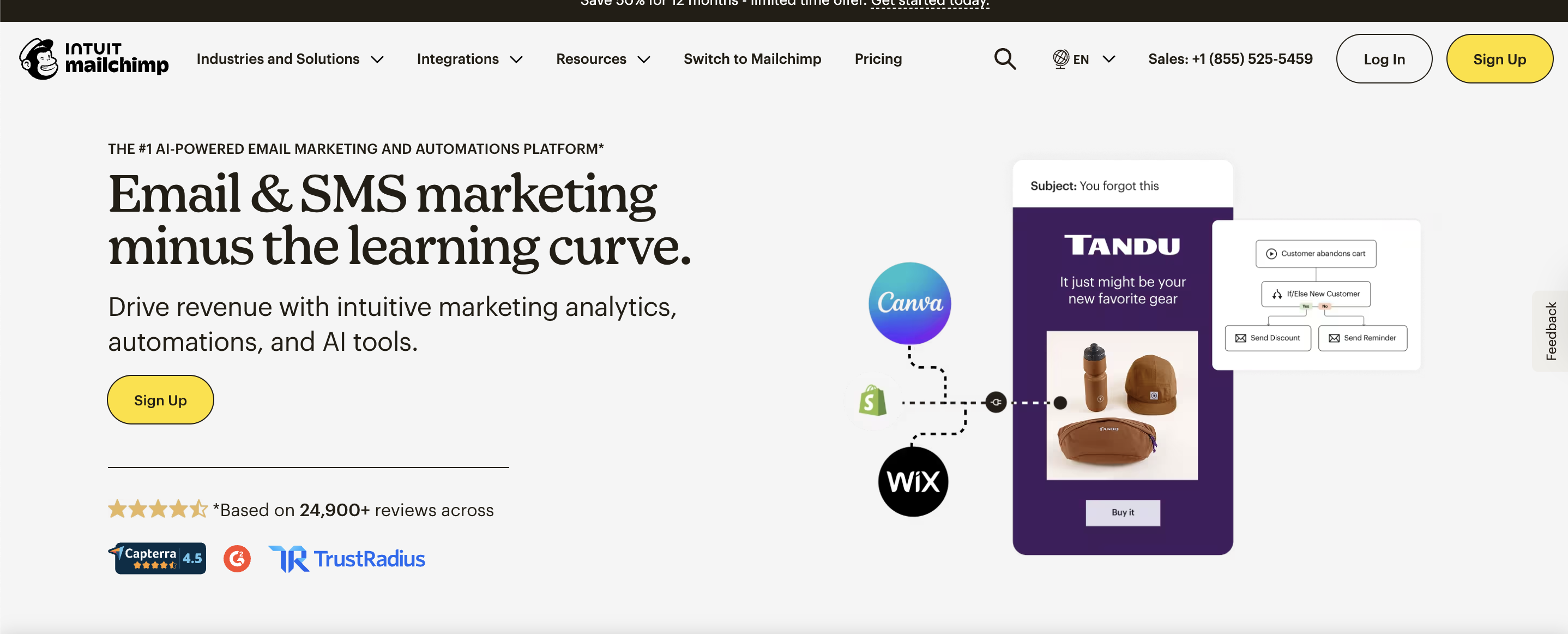
From my experience, Mailchimp works particularly well for:
- newsletters and thought leadership updates
- product announcements
- onboarding sequences
- event invitations and webinar promotions
The biggest advantage of Mailchimp is its ease of use. Even marketers with minimal technical knowledge can quickly build professional email campaigns using its visual editor and pre-built templates.
For B2B teams just starting with email marketing, Mailchimp can be an excellent entry point.
GlockApps
GlockApps is a tool I strongly recommend to any B2B marketer who wants to protect their sender reputation and maximize inbox placement.
In many cases, marketers invest significant time into designing campaigns and writing persuasive email copy, only to discover that their messages never reach recipients’ inboxes.Spam filters used by mailbox providers such as Gmail, Outlook, and Yahoo rely on complex algorithms that evaluate sender reputation, authentication records, email content, and recipient engagement. Even legitimate senders can experience deliverability issues.
From my experience, GlockApps helps identify these problems before they damage campaign performance.
Using deliverability testing tools like Inbox Insight, marketers can see exactly where their emails land across multiple mailbox providers (whether in the inbox, spam folder, or promotional tabs).
This type of insight allows marketers to quickly diagnose issues related to:
- authentication problems (SPF, DKIM, DMARC)
- domain reputation
- spam filter triggers in email content
- blacklist listings
I often recommend running spam tests before launching major B2B campaigns, especially when sending cold outreach or introducing new domains.
Another strength of GlockApps is its reporting capabilities. The platform provides detailed analytics and actionable recommendations that help marketers improve deliverability over time.
For B2B organizations where each lead can represent significant revenue potential, maintaining strong deliverability is essential, and tools like GlockApps make this process far easier.
Sender
Sender is a budget-friendly email marketing platform that handles newsletters, nurture sequences, and bulk campaigns for growing B2B teams.
From my experience, Sender works well for companies that want straightforward automation and segmentation without a steep learning curve or enterprise-level costs.
The platform includes:
- drag-and-drop email builder with pre-built templates
- automation workflows with custom event triggers
- subscriber segmentation for targeted outreach
- real-time campaign analytics
Sender also handles transactional emails, which makes it a practical option for B2B teams that want to manage both marketing campaigns and operational messaging from a single platform.
Moosend
Moosend is a platform that often flies under the radar but deserves much more attention.
From my experience, Moosend offers a powerful combination of automation features and affordability, making it particularly attractive for small and mid-size B2B teams.
The platform includes:
- workflow automation
- segmentation tools
- A/B testing capabilities
- real-time analytics
One of the advantages I appreciate is how easy it is to build automation workflows using Moosend’s visual automation builder.
For teams that want advanced features without enterprise-level pricing, Moosend is definitely worth considering.
ActiveCampaign
ActiveCampaign is widely known for its advanced automation capabilities.
From my experience, this platform excels when businesses want to build complex customer journeys based on behavioral data.
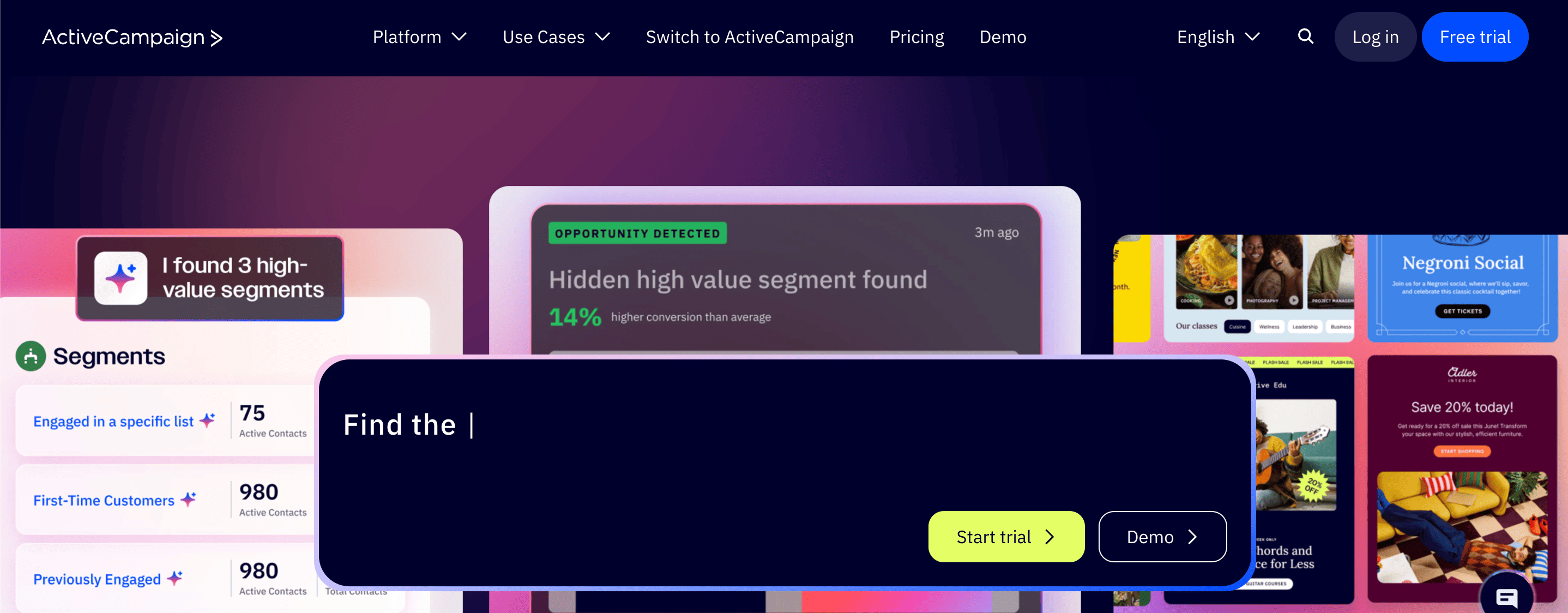
ActiveCampaign allows marketers to track actions such as:
- email opens and clicks
- website visits
- product interactions
- CRM updates
These signals can trigger automated campaigns that move prospects further down the sales funnel.
For B2B organizations with long decision cycles and multiple touchpoints, this type of automation can significantly improve conversion rates.
Brevo
Brevo is another tool that I frequently recommend to growing companies.
Brevo stands out because it combines several communication channels in one platform, including email, SMS, and marketing automation.
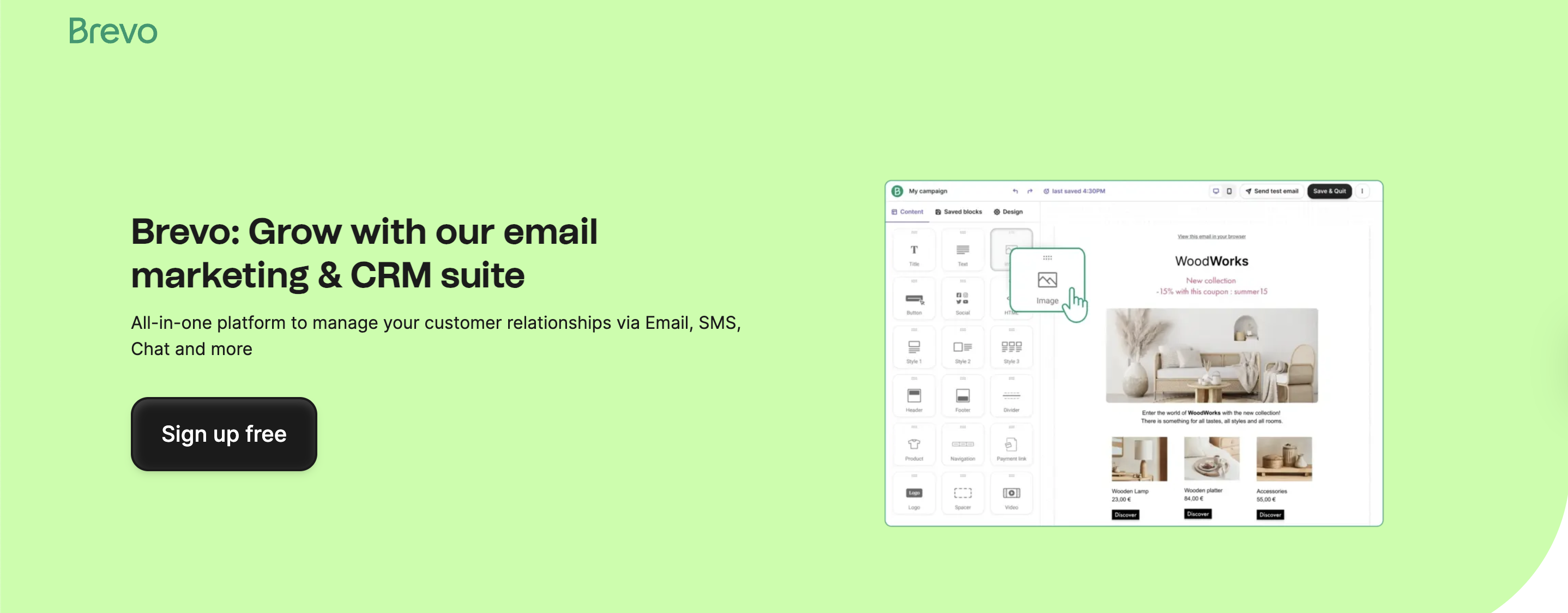
From my experience, this platform is particularly useful for teams that want to run multi-channel campaigns without managing multiple tools.
Another benefit is its pricing model, which is based on email volume rather than contact list size.
Campaign Monitor
Campaign Monitor is known for its strong focus on design and user experience.
This platform is ideal for companies that want visually polished campaigns that reflect a strong brand identity.
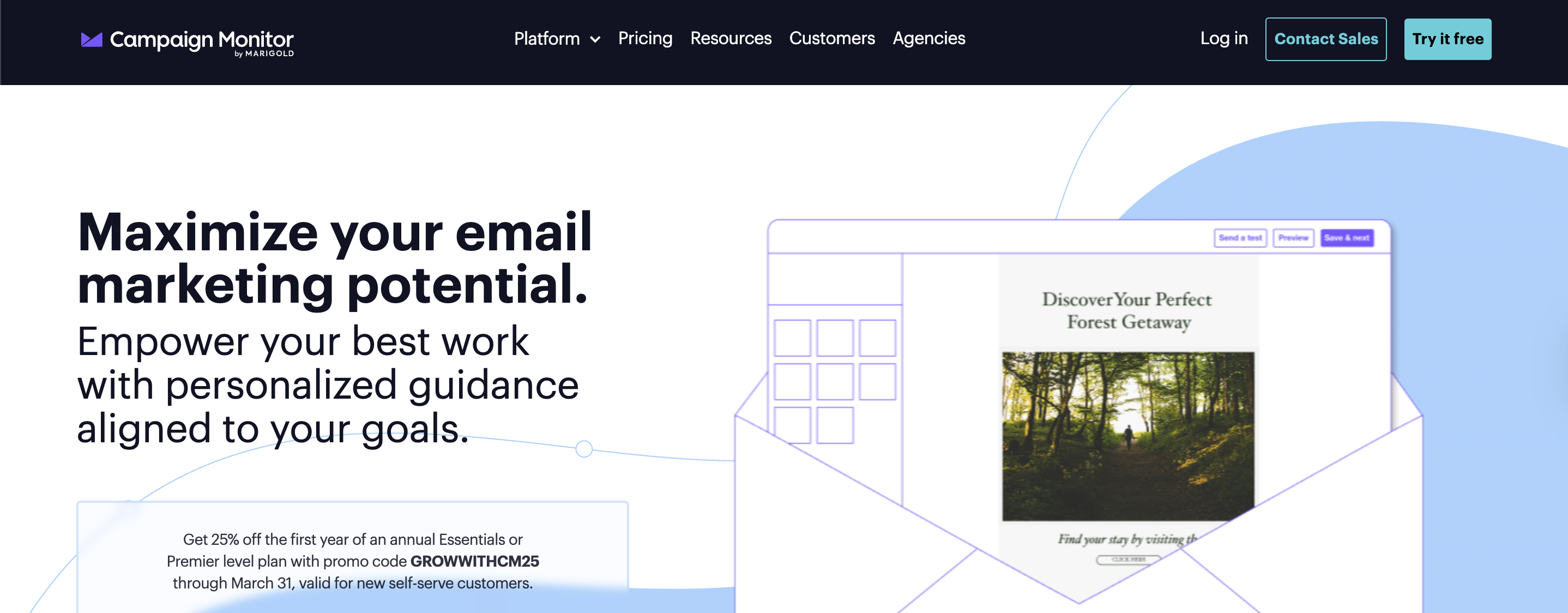
Campaign Monitor includes advanced analytics tools that help marketers understand engagement patterns and optimize their campaigns accordingly.
GetResponse
GetResponse has evolved into a full marketing platform.
In addition to email marketing, it offers tools for:
- webinars
- landing pages
- automation workflows
- lead capture forms
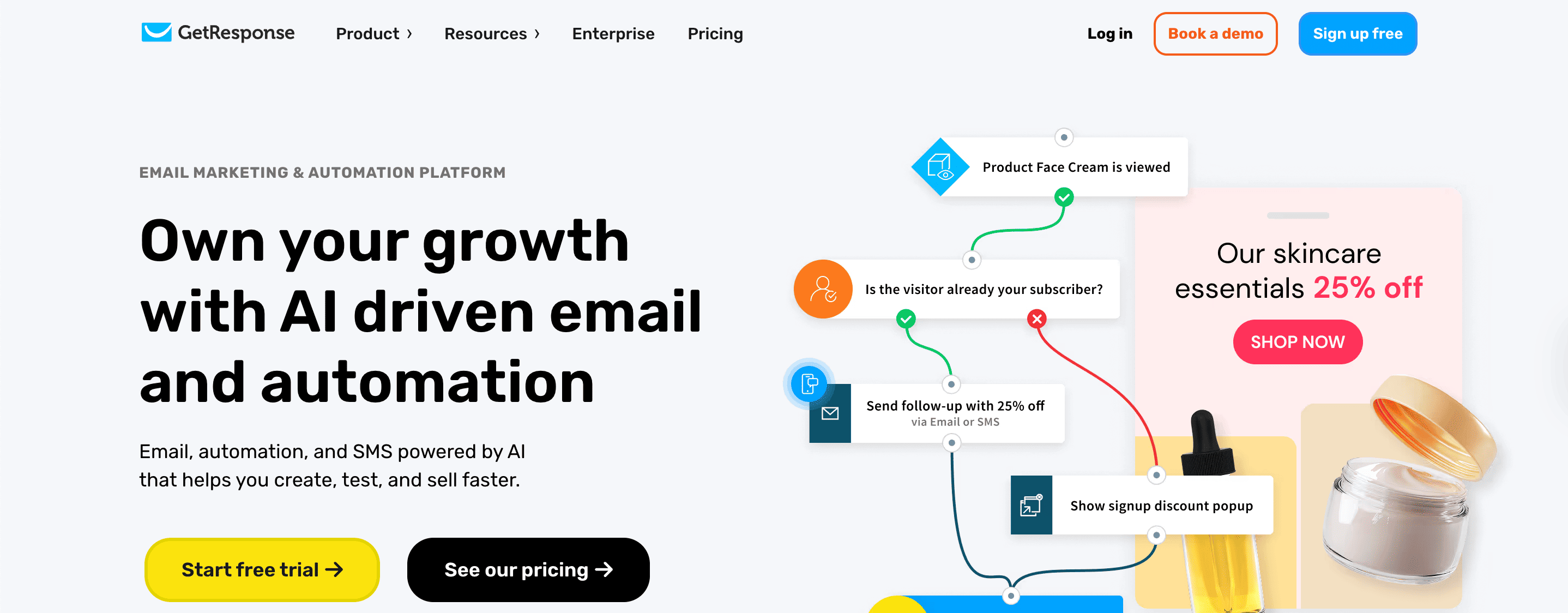
For B2B companies that rely heavily on educational marketing and webinars, GetResponse can be extremely useful.
Klaviyo
Klaviyo is widely used in e-commerce but can also be powerful for B2B companies that rely on deep customer segmentation.
From my experience, Klaviyo is particularly valuable when marketing teams want to leverage data to personalize their messaging.
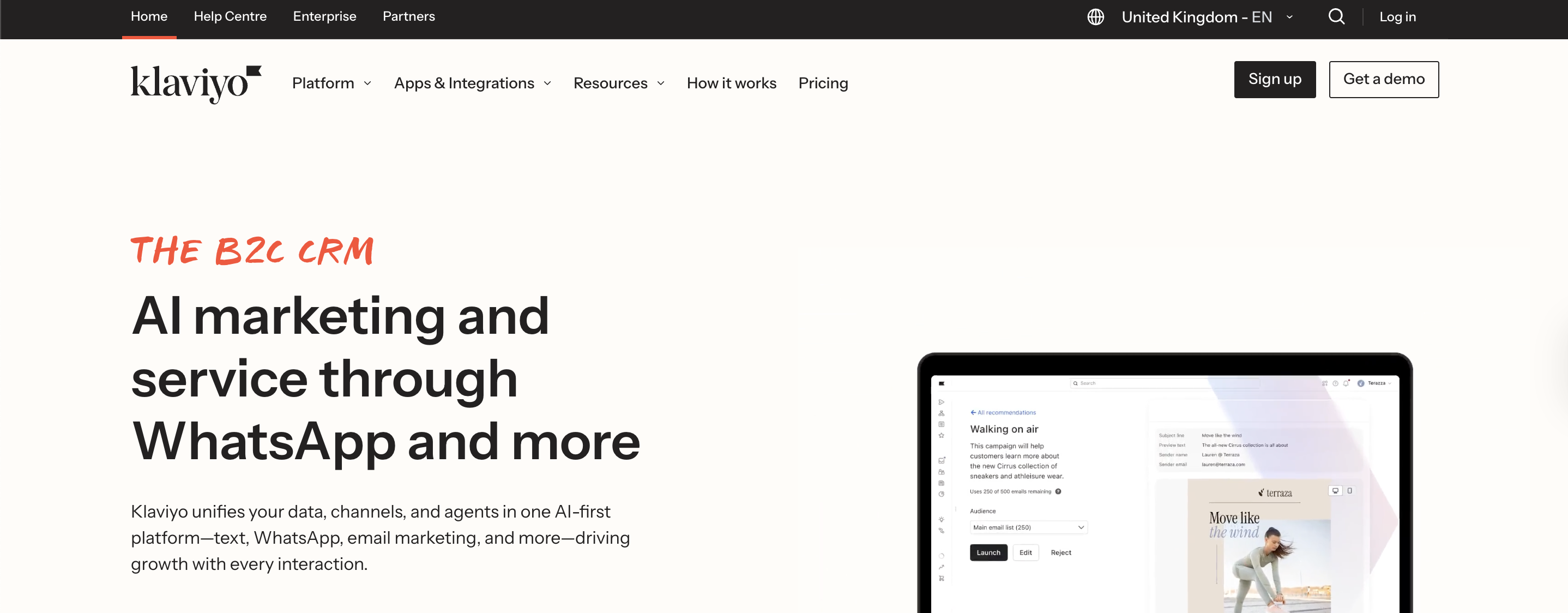
The platform allows marketers to build highly targeted segments based on customer behavior and engagement patterns.
Constant Contact
Constant Contact is one of the longest-standing email marketing platforms.
From my experience, it remains a solid option for B2B companies that want reliable email marketing tools with straightforward automation features.
Constant Contact includes:
- customizable email templates
- automation workflows
- list segmentation
- reporting dashboards
The platform also provides good customer support and onboarding resources, which can be helpful for teams new to email marketing.
Comparison of B2B Email Marketing Tools
Choosing the right platform can be challenging because each tool focuses on different aspects of email marketing. To make the comparison easier, I’ve summarized the key strengths and ideal use cases of the most popular B2B email marketing tools in the table below:
| Tool | Best For | Key Strength |
| HubSpot | Enterprise B2B teams | CRM + marketing ecosystem |
| Mailchimp | Small teams | Simple campaign management |
| GlockApps | Deliverability monitoring | Inbox placement testing |
| Sender | Small B2B teams | Budget-friendly automation |
| Moosend | Mid-size businesses | Affordable automation |
| ActiveCampaign | Advanced automation | Behavioral workflows |
| Brevo | Multi-channel campaigns | Email + SMS marketing |
| Campaign Monitor | Design-focused teams | Professional templates |
| GetResponse | Webinar marketing | Education-driven funnels |
| Klaviyo | Data-driven marketing | Advanced segmentation |
| Constant Contact | Reliable email campaigns | Easy automation |
Conclusion
Choosing the right B2B email marketing tools is not only about selecting a platform that sends emails. The most effective email strategies rely on a combination of automation, analytics, segmentation, and deliverability monitoring.
From my experience, platforms like HubSpot, ActiveCampaign, and Mailchimp are excellent for building and managing email campaigns. However, tools focused on deliverability, such as GlockApps, are equally important.
Even the best email campaign will fail if it never reaches the inbox.
By combining a strong marketing automation platform with a reliable deliverability monitoring tool, B2B marketers can significantly improve campaign performance, maintain a strong sender reputation, and build more effective relationships with their audience.
FAQ
Platforms like HubSpot and ActiveCampaign are particularly strong when it comes to building automated customer journeys.
Tools like GlockApps allow you to run spam tests, analyze inbox placement, and identify issues that could cause emails to be filtered by mailbox providers.
Important features include automation workflows, audience segmentation, deliverability monitoring, analytics, and integration with CRM systems.
Related Posts
Choosing the right email marketing software can be surprisingly difficult, especially when you’re trying to balance features, pricing, and long-term Read more

With the constant rise in spam, phishing, and delivery issues, understanding the technical aspects of an email is critical. This Read more

Businesses can hardly do without automation in today's competitive market, as it is not only useful but essential. If you Read more

In today’s competitive marketing field, your email campaigns need more than great copy to stand out. Stunning visuals and smart Read more