Email Footers: Examples, Ideas, and Best Practices
Estimated reading time: 5 minutes
Most marketers obsess over subject lines, headlines, and CTAs. The email footer? Often treated as an afterthought. Yet the footer is one of the most consistently viewed sections of any email, especially in business communication and newsletters.
An effective email footer does far more than close a message. It reinforces credibility, communicates brand identity, supports compliance, and subtly influences how recipients perceive your organization. A well-designed email footer can increase trust and reduce friction without stealing attention from the core message.
What Is an Email Footer?
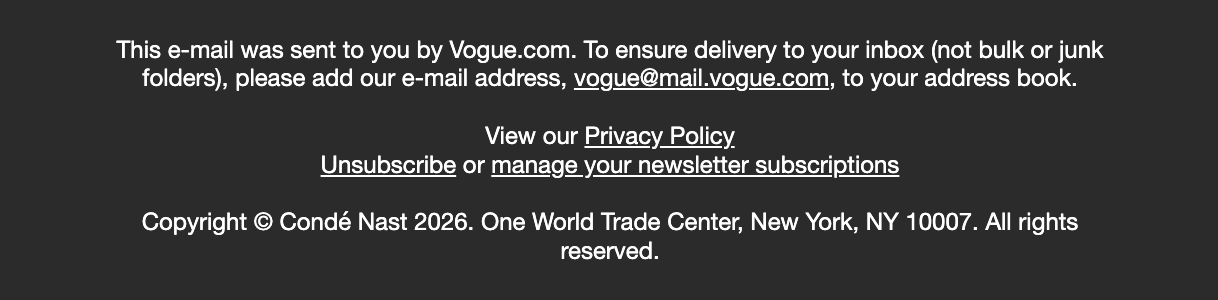
An email footer is the section that appears at the bottom of an email message. In business and marketing emails, it typically includes company information, legal disclosures, contact details, and optional branding or links.
Unlike an email signature (which is often personal and sender-specific) the email footer is usually standardized across campaigns or departments. In newsletters, the footer also plays a key role in compliance, housing unsubscribe links and preference controls.
Why Email Footer Design Impacts Performance
A strong email footer design contributes to:
- Trust and legitimacy. Clear company details reassure recipients that the message is real and credible.
- Brand consistency. Fonts, colors, and tone reinforce brand recognition.
- Deliverability signals. Clean structure, compliant elements, and transparent sender identity reduce spam complaints.
- User experience. Readers know where to find contact details, policies, or preferences without distraction.
Test your deliverability with GlockApps and get insights regarding your content in the Content Analysis tab.
Core Elements of a Business Email Footer
A professional email footer for business use typically includes:
- Company name and legal entity
- Physical address or registered location
- Contact information (email or phone)
- Optional website or support link
- Required compliance elements (unsubscribe, preferences for newsletters)
- Optional branding or certifications
The key is restraint. The best email footers are informative, not crowded.
Email Footer Best Practices That Actually Work
1. Keep the Footer Visually Quiet
The footer should not compete with your primary CTA. Use smaller font sizes, neutral colors, and ample spacing. A calm visual hierarchy signals closure and professionalism.
2. Maintain Consistency Across Campaigns
Switching footer formats between emails weakens brand recognition. Create one approved company email footer design and reuse it consistently.
3. Prioritize Readability Over Decoration
Fancy dividers, heavy icons, or oversized logos often harm clarity. Simple text-based footers render more reliably across email clients.
4. Be Transparent, Not Defensive
Phrases like “You are receiving this email because…” should be factual and neutral. Overexplaining often raises suspicion rather than trust.
5. Respect Compliance Without Overloading
Legal language belongs in the footer, but keep it concise. Long disclaimers push important elements like unsubscribe links out of view.
Email Footer Examples: What High-Performing Brands Do Differently
The best email footer examples share a few common traits:
- Clear sender identity with no ambiguity
- Minimal links, each with a purpose
- No aggressive promotional language
- Logical spacing and alignment
- Mobile-friendly layout
In newsletter footers, brands often include a brief reminder of why the recipient is subscribed, followed by preference management options. This reduces unsubscribes driven by confusion rather than lack of interest.
Email Footer Ideas That Add Value
If you want your email footer to do more than meet requirements, consider subtle additions:
- A short trust statement or certification line
- A minimal social proof line (awards, compliance standards)
- A sustainability message, such as “Think before you print this email” with or without a small logo
- A support-first link instead of a generic website link
These elements work best when understated and aligned with brand tone.
Deliverability and Email Footers: The Overlooked Connection
Email footers do not directly determine inbox placement, but they play a supporting role in sender transparency and regulatory compliance. Clearly identifying the sender, including valid contact information, and providing functional unsubscribe mechanisms are requirements under major email regulations and are expected by mailbox providers. Using a verified virtual number alongside your email address strengthens sender transparency, helping recipients recognize a legitimate business channel across both email and SMS touchpoints.
While mailbox providers do not score email footers as a standalone deliverability factor, misleading or non-compliant footer content can increase user complaints and unsubscribe frustration, which indirectly harms sender reputation over time. In bulk and newsletter campaigns, missing or broken unsubscribe links are a common cause of spam complaints.
Test your email deliverability with trusted tools like GlockApps to be always sure your emails do not end up in spam.
FAQ
An email footer is the standardized section at the bottom of an email containing company details, compliance information, and optional branding elements.
At minimum: company name, contact information, physical address, and required compliance links for marketing emails.
For newsletters and marketing emails, yes. Compliance laws typically require sender identification and unsubscribe options.
Related Posts

One of the main issues that determine the effectiveness of email marketing is spam rate. Email content isn’t just about Read more

If your list is growing but revenue isn’t, you don’t need “more emails”; you need smarter email marketing optimization. This Read more

Email communication has become an essential part of modern professional and private contact, whether it is reaching out to a Read more

From the moment of its appearance, the email format has evolved from a formal plain text to the whole catalog Read more